UK Fire Extinguisher Requirements for Businesses: What You Need to Know
Fire safety is a legal and moral obligation for every business in the UK. One of the most important tools in fire prevention and control is the fire extinguisher. Whether you’re running a small retail shop or managing a large office block, it’s essential to understand your responsibilities when it comes to fire extinguishers in the workplace.
Why Fire Extinguishers Matter in the Workplace
In the early stages of a fire, having the correct type of extinguisher available can mean the difference between a minor scare and a major disaster. They help prevent the spread of flames, provide time for evacuation, and in some cases, allow trained staff to control the fire entirely.
What Does UK Law Say About Fire Extinguishers?
The rules around fire safety in England and Wales are defined by the Regulatory Reform (Fire Safety) Order 2005. This legislation requires a “responsible person” (typically the employer or business owner) to ensure suitable fire protection measures are in place—including extinguishers.
In Scotland and Northern Ireland, similar requirements exist under the Fire (Scotland) Act 2005 and the Fire and Rescue Services (Northern Ireland) Order 2006.
Fire Risk Assessments and Extinguisher Planning
You must carry out a fire risk assessment for your business premises. This will help determine:
- The number of extinguishers needed
- The specific fire classes you need protection against
- Where each unit should be installed
For example, premises with a commercial kitchen will require wet chemical extinguishers, while an office with electronic equipment may need CO₂ units.
Fire Extinguisher Types Explained
There’s no one-size-fits-all when it comes to extinguishers. The main types include:
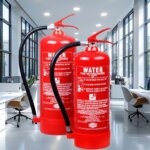
- Water extinguishers – Used for materials like wood, paper, and textiles (Class A)
- Foam extinguishers – Tackle Class A and B fires involving solids and flammable liquids
- CO₂ extinguishers – Safe for use on electrical equipment and flammable liquids (Class B)
- Dry Powder extinguishers – Suitable for a variety of fires including gas and electrical (Class A, B, C)
- Wet Chemical extinguishers – Designed for kitchen fires involving oils and fats (Class F)
Where and How to Install Fire Extinguishers
The guidance suggests that extinguishers should be:
- Clearly visible and easily accessible
- Positioned near exits and fire risk areas
- Mounted on walls or placed in appropriate stands
The standard installation height is between 900mm and 1200mm above floor level for optimal reach.
Regular Maintenance Is a Must
To ensure extinguishers work when needed, businesses must:
- Conduct monthly visual inspections to spot any signs of damage or tampering
- Arrange annual servicing by a certified fire safety technician
- Keep a logbook of inspections, servicing, and any maintenance activities
Consequences of Ignoring Fire Safety Rules
Failing to comply with fire extinguisher regulations can result in:
- Enforcement actions or fines from the fire service
- Increased liability if an incident occurs
- Serious harm to employees, customers, or property
In Summary
All businesses in the UK must provide suitable fire extinguishers tailored to the risks on site. A proper fire risk assessment, the right selection of extinguishers, and a routine maintenance schedule are all essential components of fire safety compliance.
Don’t leave fire safety to chance—ensure your premises are equipped, compliant, and prepared.